
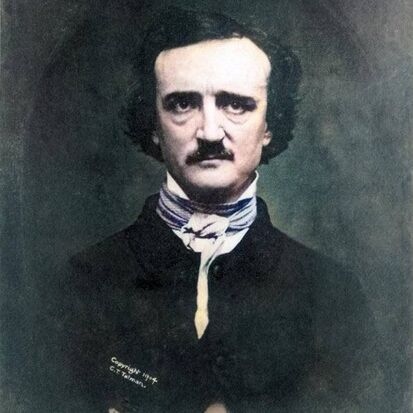
Edgar Allan Poe Biography remains one of the most celebrated literary figures in history, known for his mastery of mystery, macabre, and gothic storytelling. His life, though marked by hardship, produced timeless works that continue to inspire readers, scholars, and artists around the world. Below is a comprehensive biography of Poe, combining historical details with recent updates that shed light on his enduring legacy.
Early Life and Background

Edgar Allan Poe was born on January 19, 1809, in Boston, Massachusetts. His parents, David Poe Jr. and Elizabeth Arnold Poe, were traveling actors. Tragically, his father abandoned the family, and his mother died of tuberculosis when Poe was just two years old. He was taken in by John and Frances Allan of Richmond, Virginia, though he was never formally adopted.
Poe’s childhood was defined by financial struggles and strained relationships. He attended schools in both England and America, eventually enrolling at the University of Virginia in 1826. However, financial difficulties forced him to drop out after just one year.
Early Career and Military Service
In 1827, Poe enlisted in the U.S. Army under the alias Edgar A. Perry. During his time in service, he published his first collection, Tamerlane and Other Poems. With John Allan’s influence, Poe later secured an appointment to the U.S. Military Academy at West Point, though he was dismissed after deliberately neglecting his duties. He then turned his focus entirely to writing.
Rise as a Writer
Poe began building his literary reputation through poetry and short stories. His works often explored death, beauty, despair, and the supernatural, themes that would define his legacy.
Some of his most notable works include:
- The Raven (1845) — his most famous poem, known for its haunting refrain “Nevermore.”
- The Fall of the House of Usher (1839) — a gothic tale of decay and madness.
- The Tell-Tale Heart (1843) — a chilling short story exploring guilt and paranoia.
- The Murders in the Rue Morgue (1841) — considered the first modern detective story.
Poe’s ability to blend mystery with psychological depth positioned him as a pioneer of detective fiction, horror, and gothic literature.
Personal Struggles
Poe’s personal life was marked by tragedy and instability. In 1836, he married his cousin Virginia Clemm, who was only 13 at the time. Their marriage was affectionate, but Virginia’s long battle with tuberculosis profoundly affected Poe. Her death in 1847 plunged him into despair, influencing some of his darkest works.
He also struggled with alcoholism, financial instability, and conflicts with publishers. Despite these challenges, he remained prolific, editing journals such as The Southern Literary Messenger and contributing essays, reviews, and stories.
Mysterious Death
On October 7, 1849, Poe died in Baltimore at the age of 40 under mysterious circumstances. He was found delirious, wearing someone else’s clothes, and unable to explain what had happened.
Theories about his death include alcohol poisoning, rabies, heart disease, or even “cooping”—a form of electoral fraud where victims were drugged and forced to vote multiple times. To this day, his death remains unsolved, adding to the aura of mystery surrounding his life.
Legacy and Recognition
Poe’s influence on literature is immeasurable. He is celebrated as the father of detective fiction and a pioneer in horror and gothic storytelling. Writers such as Arthur Conan Doyle, H.P. Lovecraft, and Stephen King have acknowledged his impact.
His legacy continues through:
- The Edgar Awards: Annual literary prizes honoring excellence in mystery writing, named after him.
- Museums and Memorials: Landmarks such as the Edgar Allan Poe Museum in Richmond and the statue Poe Returning to Boston.
- Libraries and Archives: Recently, the Edgar Allan Poe Library in Sullivan’s Island, South Carolina, reopened after renovations, highlighting his ongoing cultural importance.
Recent Developments
- A new biography, Edgar Allan Poe: A Critical Biography by Richard Kopley (2025), offers a compassionate look into Poe’s troubled life and artistic brilliance.
- Documentaries like In Search of Edgar Allan Poe bring fresh attention to his life and myths.
- The 2025 Edgar Allan Poe Awards highlighted his enduring influence in crime and mystery writing.
- Scholars continue to explore new theories about his death, particularly the possibility of electoral “cooping.”
Conclusion
Edgar Allan Poe’s life was a mixture of genius, tragedy, and mystery. His works, from The Raven to The Tell-Tale Heart, carved a permanent place in world literature. Though his life ended abruptly and under puzzling circumstances, his contributions to poetry, detective fiction, and horror remain unparalleled. More than 170 years later, Poe continues to intrigue, inspire, and haunt readers across the globe.
Also Read: : Jagdish Kharel Age: Everything You Should Know About the New Minister
FAQs on Edgar Allan Poe Biography
When was Edgar Allan Poe born?
Poe was born on January 19, 1809, in Boston, Massachusetts.
What was Edgar Allan Poe’s most famous work?
His most famous work is The Raven (1845), a haunting poem about grief and loss.
How did Edgar Allan Poe die?
The cause of Poe’s death remains a mystery, with theories ranging from alcohol poisoning to “cooping.”
What is Poe’s legacy?
He is celebrated as the father of detective fiction and a pioneer of gothic literature. The Edgar Awards are named in his honor.
What is new about Poe in 2025?
Recent developments include a new biography by Richard Kopley, the reopening of the Edgar Allan Poe Library, and renewed scholarly debates on the mystery of his death.
 Jerry
Jerry