
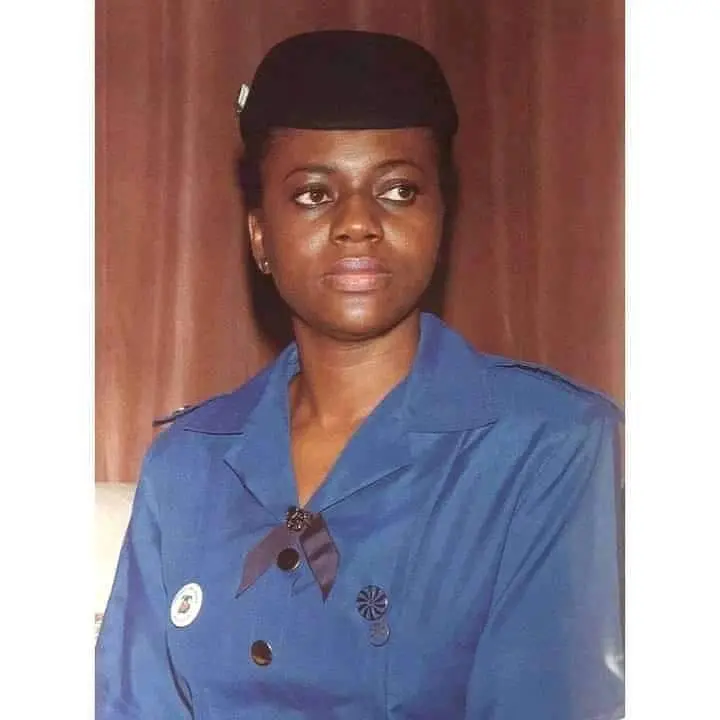
Maryam Ndidi Okogwu was born on November 1, 1948, in Asaba, Delta State, Nigeria. Her heritage was a blend of Hausa and Igbo cultures, with her mother hailing from Niger State and her father from Asaba. Maryam’s educational journey began in her hometown and continued at Queen Amina College in Kaduna. She furthered her studies by obtaining a diploma in secretarial studies from La Salle Extension University in Chicago and a certificate in computer science from the NCR Institute in Lagos.
Quick Facts About Maryam Babangida
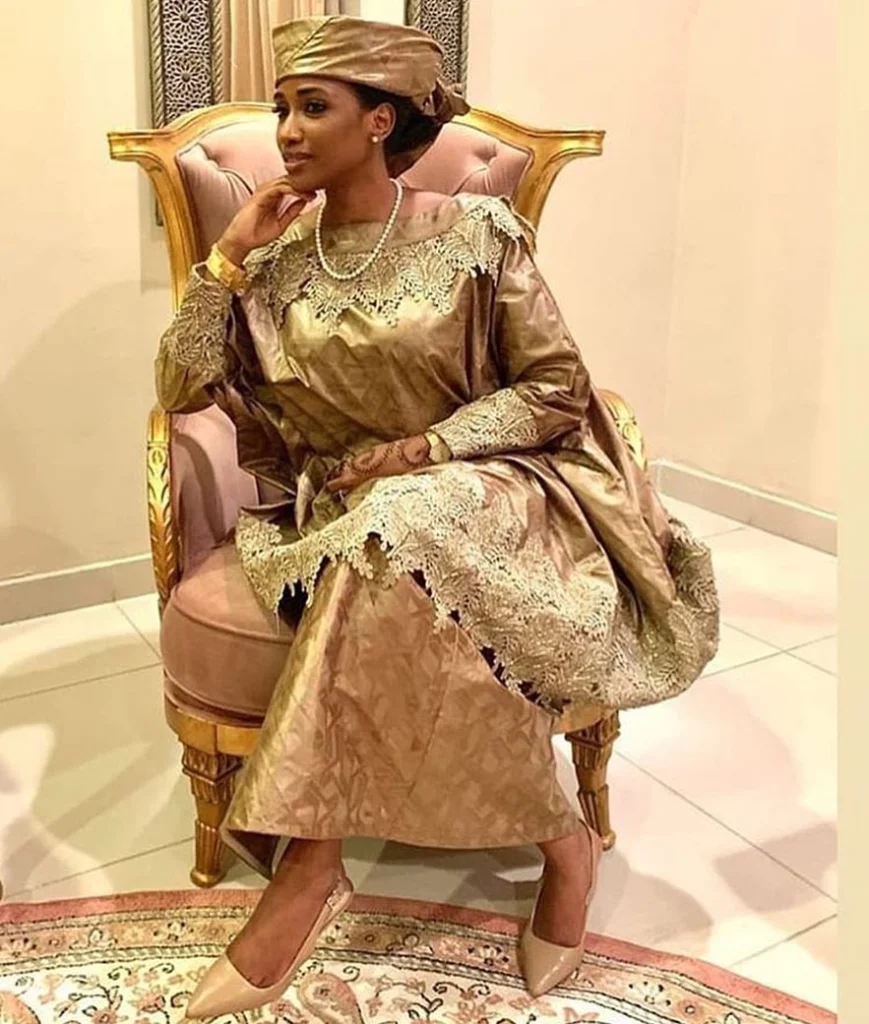
- Full Name: Maryam Ndidi Okogwu Babangida
- Date of Birth: November 1, 1948
- Place of Birth: Asaba, Delta State, Nigeria
- Ethnicity: Igbo (Father from Asaba) and Hausa (Mother from Niger State)
- Education:
- Queen Amina College, Kaduna
- Diploma in Secretarial Studies (La Salle Extension University, Chicago)
- Certificate in Computer Science (NCR Institute, Lagos)
- Marriage: Married General Ibrahim Badamasi Babangida on September 6, 1969
- Children: Four – Mohammed, Aminu, Aisha, and Halima
Role as First Lady (1985–1993)
- Redefined the Role of First Lady – Shifted from a ceremonial role to an active social advocacy platform
- Founded the Better Life Program for Rural Women (1987) – Focused on economic empowerment and self-reliance for rural women
- Key Initiatives of the Better Life Program:
- Promotion of women’s cooperatives and small-scale industries
- Establishment of skill acquisition centers
- Support for women in agriculture and trade
Legacy and Recognitions
- Pioneer of Women’s Empowerment in Nigeria – Inspired future First Ladies to launch social programs
- Maryam Babangida National Centre for Women Development – Established in 1993 in Abuja as a hub for women’s research, training, and development
- Recognized Posthumously – Her contributions to women’s rights and rural development remain highly respected
Death
- Date of Death: December 27, 2009
- Cause of Death: Ovarian cancer
- Place of Death: Los Angeles, California, USA
Her work in empowering women continues to inspire advocacy and policy efforts in Nigeria today.
Marriage and Family
In 1969, at the age of 20, Maryam married Major Ibrahim Badamasi Babangida. The couple had four children: Mohammed, Aminu, Aisha, and Halima. As her husband’s military career progressed, leading to his position as Nigeria’s Head of State from 1985 to 1993, Maryam played a supportive and influential role alongside him.
Redefining the Role of First Lady
Elevating the First Lady’s Office
Upon becoming Nigeria’s First Lady in 1985, Maryam Babangida transformed the role from a ceremonial position into an active platform for social advocacy, focusing on women’s rights and rural development.
Initiating the Better Life Program for Rural Women
In 1987, she launched the Better Life Program for Rural Women (BLPRW), aiming to enhance the quality of life for women in rural communities. The program’s key initiatives included:
- Cooperatives and Cottage Industries: Encouraging the formation of women’s cooperatives and small-scale industries to promote economic independence.
- Agricultural Support: Providing resources and training for women in agriculture to boost productivity and income.
- Skill Acquisition Centers: Establishing centers where women could learn various trades and crafts, enhancing their employability and entrepreneurial skills.
The BLPRW led to the creation of numerous women’s centers, agricultural cooperatives, and cottage industries across Nigeria, significantly impacting rural women’s lives.
Legacy and Recognition
Establishment of the National Centre for Women Development
In 1993, the Maryam Babangida National Centre for Women Development was established in Abuja. This institution serves as a hub for research, training, and mobilization, aiming to empower women and promote self-reliance.
Enduring Influence
Maryam Babangida’s initiatives set a precedent for future First Ladies in Nigeria, demonstrating how the position could be leveraged to drive social programs and influence national policies. Her dedication to women’s empowerment continues to inspire efforts toward gender equality and community development in the country.
Conclusion
Maryam Babangida’s tenure as First Lady was marked by transformative initiatives that redefined the role and made lasting contributions to women’s development in Nigeria. Her legacy endures through the programs she established and the positive changes she inspired in countless lives.
Read More on Wikipedia
FAQs
Q: What was the main objective of the Better Life Program for Rural Women?
A: The program aimed to improve the socio-economic status of rural women by providing opportunities for economic self-reliance through cooperatives, skill acquisition, and agricultural support.
Q: How did Maryam Babangida transform the role of Nigeria’s First Lady?
A: She shifted the role from a ceremonial one to an active platform for social advocacy, focusing on women’s rights and rural development.
Q: What is the purpose of the Maryam Babangida National Centre for Women Development?
A: Established in 1993, the center focuses on research, training, and mobilization efforts to empower women and promote self-reliance.
Also Read: Professor Peller Biography: Real Name, Nigerian Magician, Death, Wife, Networth and His Legacy
 Jerry
Jerry